Serving Westminster, CA & west Orange County Open 24 hours · same-day and after-hours calls 24/7 dispatch · (657) 337-7905
Westminster CA Plumbing (657) 337-7905

Westminster, CA · multi-tenant commercial frontage

Bolsa Avenue Corridor: several hundred businesses, mostly sharing lines

One of the densest commercial strips in Orange County, with a heavy food-service concentration in older multi-tenant buildings. Scheduled jetting, interceptor service, backflow certification and priority dispatch.

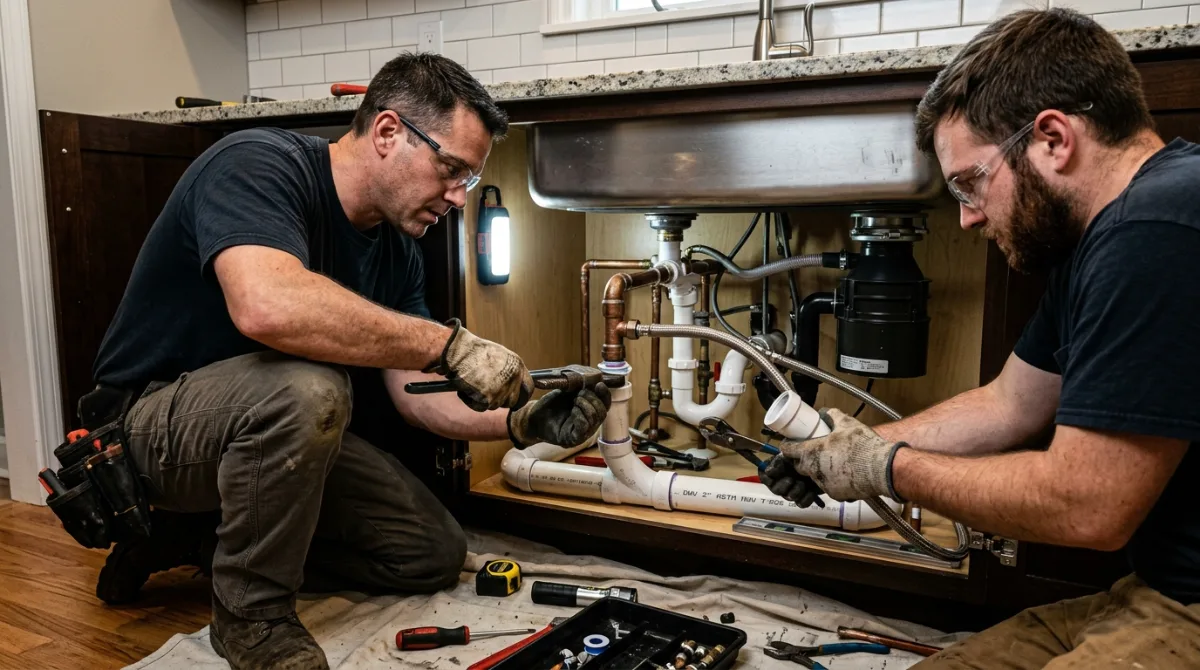
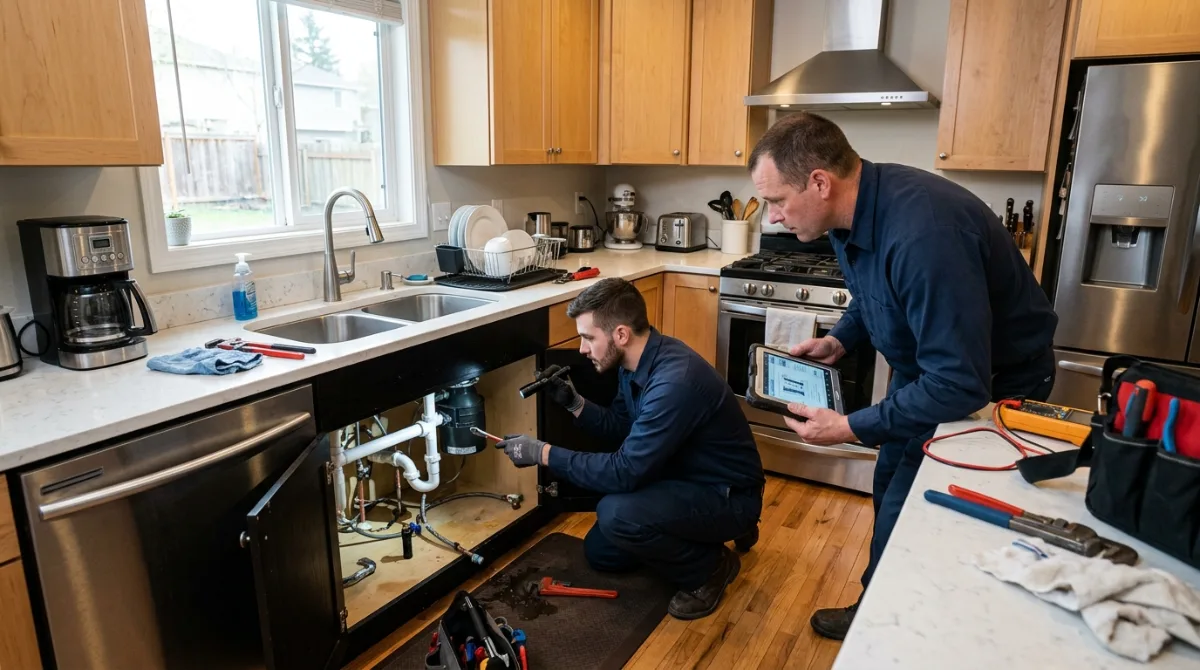
Two plumbers diagnosing drain plumbing under a kitchen sink

The corridor problem

A row of units, one lateral, and a bill nobody agrees on

The Bolsa corridor runs several hundred businesses along a single street, with a food-service concentration that would be unusual in a city ten times the size. Most of them occupy multi-tenant buildings put up for a different retail era, which means the drainage infrastructure serving a row of kitchens was frequently designed for a row of shops.

The shared lateral is the defining feature. One line serves several units, so a blockage closes everybody, and the question of whose accumulation caused it is worth real money. Without evidence that question is settled by argument, tenancy politics or whoever shouts loudest. With camera footage it is settled by looking at which branch the material is coming from.

Building age compounds it. A great deal of this frontage runs cast iron old enough to have a rough, tuberculated internal wall, and rough pipe holds grease in a way smooth pipe does not. Two identical kitchens, one in a 1965 building and one in a modern shell, need genuinely different jetting intervals, which is why the interval here should come from a camera rather than a calendar.

And because everything on this street trades hard, scheduling is the other half of the service. Jetting, interceptor work, camera runs and most repairs happen after close or before opening. The work that shuts a business is almost always the work nobody scheduled.
Ask About a Multi-Tenant Site

Whether the lateral is shared, how many units, and what each of them does. That shapes everything.

Corridor specifics

Six things that come up along this street

Commercial density and building age, in combination.

Shared lateral disputes

Footage settles them

A blockage in a shared run affects every tenant and originates with one. Routine camera work builds the history that turns a dispute into a fact, and it is worth far more established in advance than assembled during an argument.

Interceptor sizing

Often a previous tenant’s

Kitchens change hands and menus without the plumbing changing with them, so undersized interceptors are a standard finding. An undersized unit passes grease downstream regardless of how diligently it is pumped.

Cast iron roughness

Interval, not replacement

Decades of internal corrosion leave a wall that grease grabs onto. It usually does not mean replacing the pipe; it does mean a shorter jetting interval than a modern building needs, and a baseline on file.

Backflow certification

Testing plus the repair

Commercial premises with prevention assemblies need periodic testing, and a failed assembly needs rebuilding rather than noting. Test, remediate and certify handled as one job instead of three phone calls.

Market and butchery drains

Solids, not just fat

Markets with seafood, butchery or prepared-food counters load their drains differently from restaurants, more solids, different interval, floor drains that matter more. Surveyed rather than assumed from the frontage.

Mid-trade failures

Priority dispatch

When scheduling fails anyway, a business that has stopped trading goes to the front of the queue around the clock. Contract sites get that as part of the arrangement. See emergency plumbing.

Straight answers

Bolsa corridor questions

We are one unit in a long row. Does that change anything?

It changes almost everything about diagnosis. In a multi-tenant row the lateral is usually shared, so your blockage may originate three doors down and your clear line may be someone else’s problem waiting to happen. Camera work is what distinguishes your branch from the shared run, and it is the difference between fixing your plumbing and paying for the building’s.

Can plumbing work happen without closing us?

Almost always, provided it is scheduled rather than emergent. Jetting, interceptor service, camera runs and most repairs happen after close or before opening. The work that forces a closure is the work nobody scheduled, which is the entire economic argument for an interval.

How do we know our interceptor is the right size?

It gets calculated against actual output rather than assumed from what was installed. Kitchens change hands and change menus without the plumbing changing with them, so an interceptor sized for a previous tenant’s operation is a common finding. An undersized unit passes grease downstream no matter how often it is serviced.

What does the corridor’s age mean for our drains?

Much of this frontage is old enough to run cast iron, whose internal wall corrodes rough over decades. Rough pipe holds grease far more readily than smooth pipe, so identical kitchens in a new building and an old one need different jetting intervals. A camera baseline tells you which situation you are in.

Do you do backflow testing and certification?

Yes, including the repair or rebuild when an assembly fails, and the certification paperwork. A failed test with nothing scheduled behind it is not a usable result, so testing and remediation are handled together rather than as separate errands.

Is a maintenance contract worth it for a small operation?

For a small cafe with light frying, possibly not: an annual jetting visit booked directly may be sufficient, and it is fair to say so. For anything doing serious volume, the arithmetic favours the contract quickly, because a single unscheduled failure during service usually costs more than a year of scheduled visits.

We are a market rather than a restaurant. Same issues?

Related but not identical. Markets with butchery, seafood or prepared-food counters generate their own drainage load, often with more solids and less fat than a restaurant kitchen. The tooling is the same, the interval is usually different, and floor drain coverage matters more. It gets surveyed rather than assumed.

What happens if the shared line has an actual defect?

Then it stops being a maintenance conversation and becomes a building one, which is where documentation earns its keep. Footage showing roots at a joint, a belly holding water or a fractured section gives the landlord and the tenants something factual to divide a repair bill around. See sewer line repair.

Discuss a Commercial Site

Unit type, rough volume, shared or private lateral, and your closure window.

Scheduled beats emergent, every time

Turn an unpredictable closure into a line item.

Jetting intervals set from footage, interceptors sized honestly, certification handled.

Call for Bolsa Corridor Service

Commercial plumbing along the Bolsa Avenue corridor and its side streets.