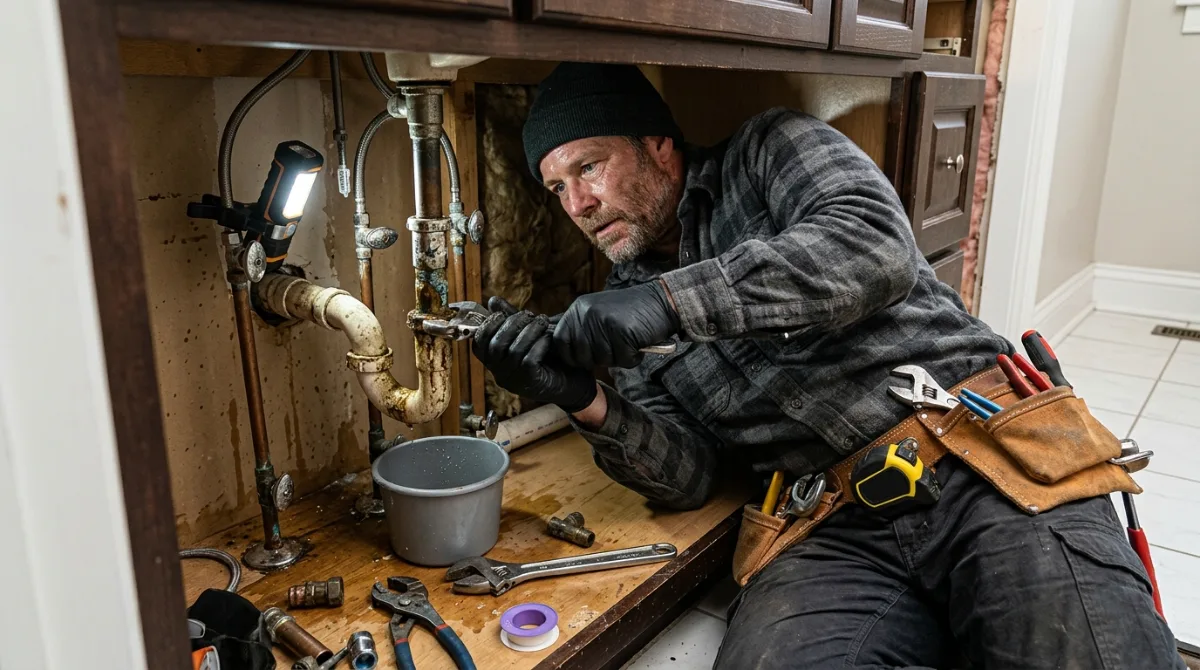
Ownership boundaries
Establish before diagnosing
Where the shared system ends and the unit’s plumbing begins. In parks and dense multi-family this is rarely obvious, and guessing wastes a visit and creates a billing argument.
Stanton, CA · dense multi-family and mobile home property
Multi-family buildings and mobile home parks where one failure reaches several households, shut-offs are shared, and working out who owns which pipe comes before the repair.
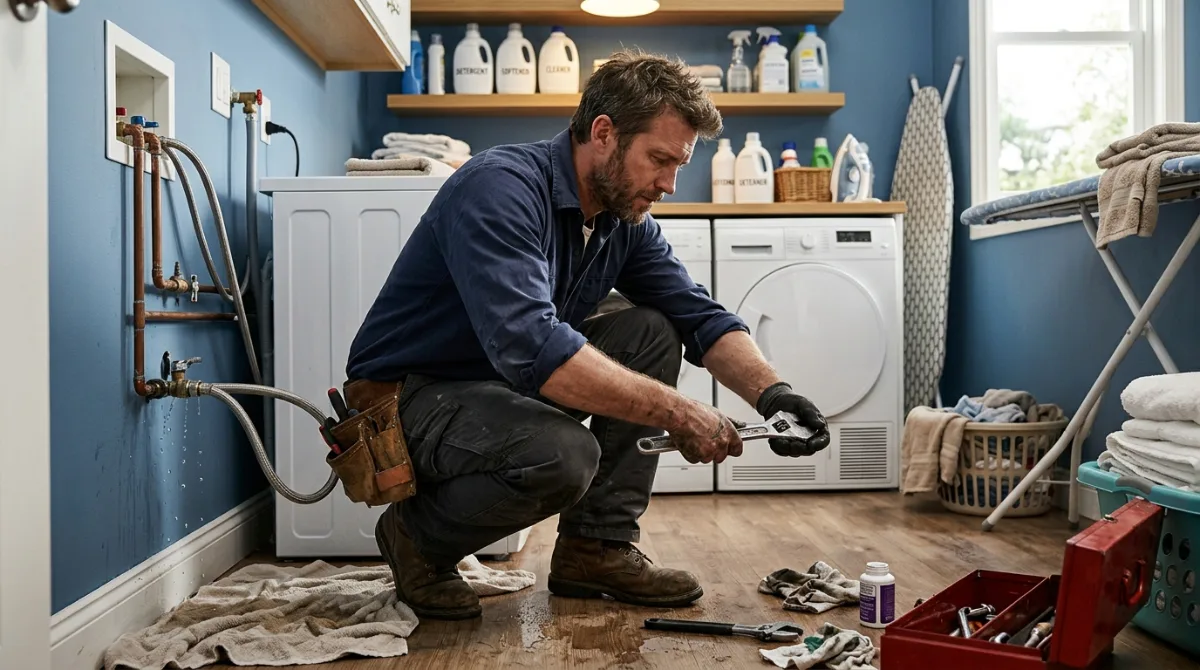
Density is the variable
Stanton’s housing is broadly the same era as Westminster’s but configured far more densely, with a large share of multi-family buildings and mobile home parks alongside single-family tracts. The pipe is comparable in age and material; what differs is how many households sit behind each length of it.
That changes the shape of a service call. A partially restricted branch produces complaints sooner and from several directions at once. A supply failure may require isolating a riser or a shared line that serves neighbours, so the first ten minutes involve coordination as much as plumbing. And a blockage affecting multiple units is, by definition, in a shared run rather than in anybody’s fixture: useful diagnostic information that also raises the question of who pays.
Mobile home parks have their own particularities. Supply and drain connections are shallower and more exposed than in slab construction, shut-offs are often shared or in awkward locations, and park management typically controls anything beyond the individual unit. Establishing where the shared system ends and the unit’s own plumbing begins is frequently the first real task, because it determines both the diagnosis and the responsibility.
For landlords and property managers the highest-value work here is preventive rather than reactive. Appliance hoses, supply stops and water heater condition are the three things that fail expensively in units nobody is watching, and all three are cheap to address on a schedule.
How many units are affected and who controls access. Those two answers shape the whole visit.
Multi-family and rental
Straight answers
Yes, and they have real particularities. Supply and drain connections are shallower and more exposed than in slab construction, shut-offs are often shared or awkwardly located, and park management usually controls access to anything beyond the individual unit. Establishing who owns which section of pipe is frequently the first task rather than the repair.
By working out where the shared system ends and the unit’s own plumbing begins, because that determines both the diagnosis and who is responsible. In dense multi-family and park settings that boundary is not always obvious, and guessing wastes a visit.
Almost certainly. When multiple units back up together, the problem is in a shared branch or the main rather than in any individual fixture. That also means clearing it helps everyone and identifying the cause matters for whoever eventually pays, which is where camera documentation earns its cost.
Dispatch is not, but the job can take longer, because coordination and access are genuine constraints. Telling us on the call how many units are affected and who controls access is what lets the right work happen on the first visit.
Same broad era, denser configuration. Stanton carries a lot of multi-family and mobile home property alongside single-family tracts, so the pipe is comparable in age while the consequences of a failure are concentrated across more households.
Yes, including recurring maintenance across several units and the documentation that goes with it. For rental property the most valuable thing is usually preventive: appliance hoses, supply stops and water heater condition, all of which fail expensively in units nobody is watching.
Common here and worth taking seriously. Closet and exterior-cabinet installations often have compromised clearance, combustion air and venting, and a leak reaches finished surfaces quickly. Drain pans with a real outlet, correct strapping and legal discharge routing matter more in those locations, not less.
Broadly, with one difference: concentration. Same-era clay and cast iron, same root intrusion and grease loading, but with more households per line, so a partially restricted branch produces complaints sooner and from more directions.
Property type, how many units affected, and who controls access beyond the unit.
Nearby
Coordinated response, shared systems
Ownership boundaries established, risers isolated properly, and prevention that suits rental property.
Multi-family, mobile home and rental plumbing across Stanton.