Serving Westminster, CA & west Orange County Open 24 hours · same-day and after-hours calls 24/7 dispatch · (657) 337-7905
Westminster CA Plumbing (657) 337-7905

Westminster, CA · mixed multi-tenant frontage

Westminster Boulevard: retail, clinics and kitchens on the same lateral

Mixed-use strips where a cafe, a clinic and a salon share one sewer line. Camera documentation that separates contributing from suffering, plus jetting and repairs scheduled around opening hours.

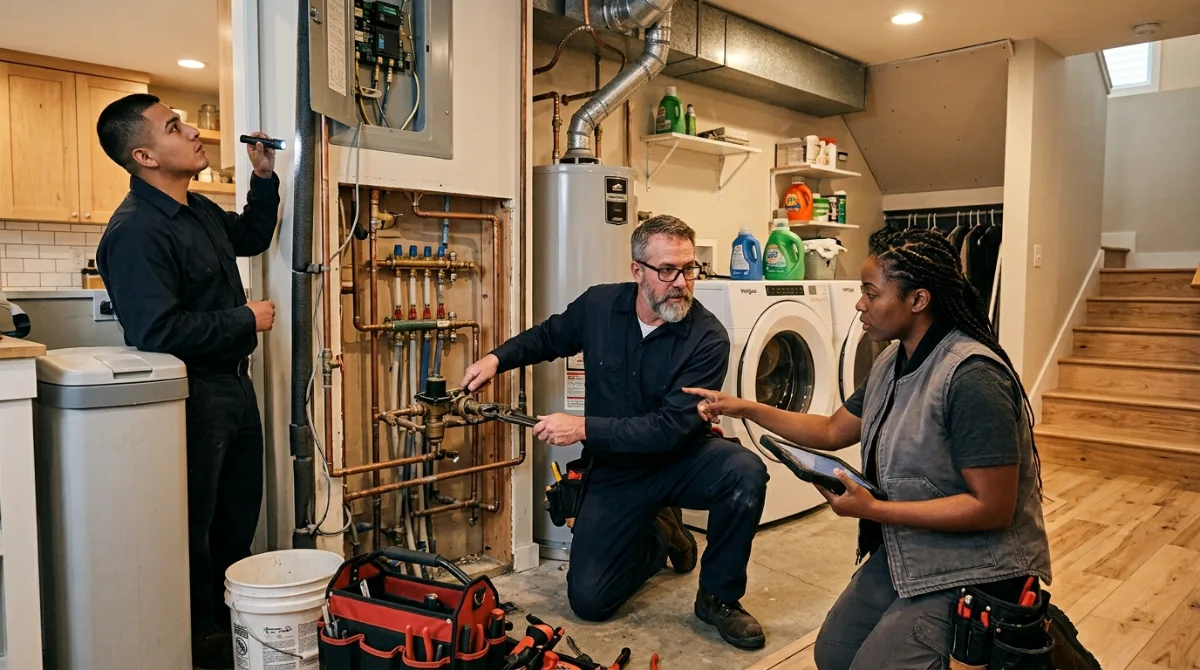
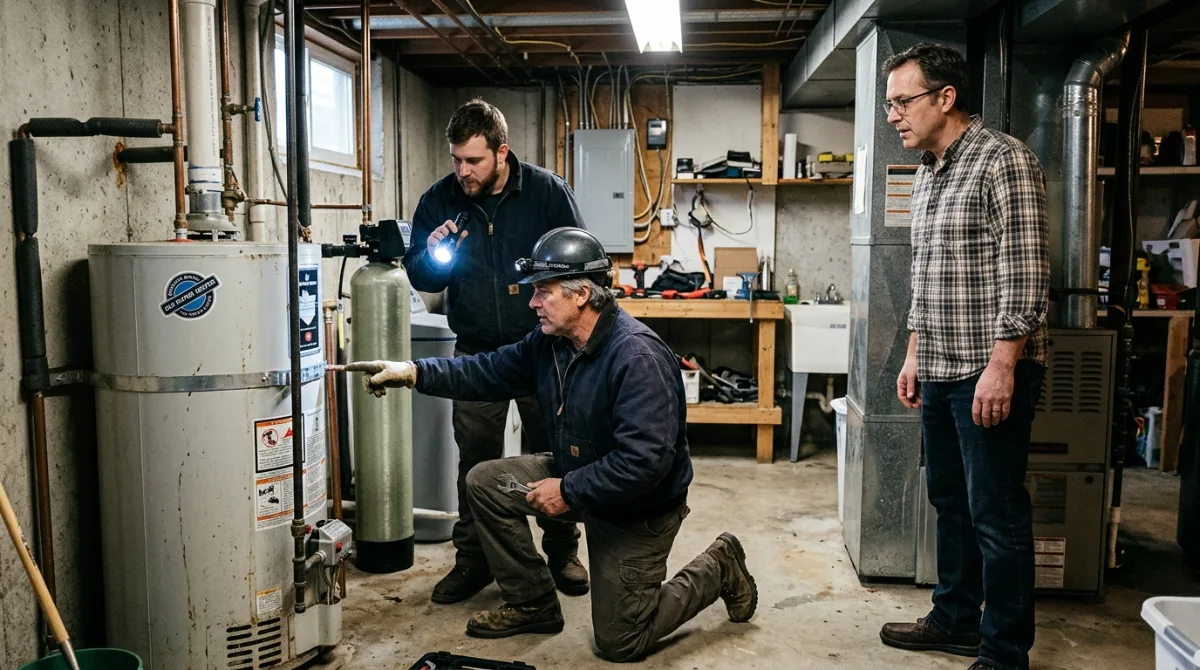
Technicians inspecting a basement utility room with the owner

The mixed-use problem

A cafe, a clinic and a salon walk into one sewer lateral

Westminster Boulevard runs a long stretch of mixed multi-tenant frontage: retail units, medical and dental offices, salons, offices and food service, frequently in the same building and frequently on the same shared sewer line. That combination creates a problem the corridor is unusually prone to.

The tenants contribute to the line very unequally and suffer from it equally. A kitchen loads a shared lateral with grease; a clinic next door contributes almost nothing and gets closed by the resulting blockage just the same. Without documentation, the cost of clearing it and eventually repairing it gets divided by lease language, landlord discretion or argument: none of which reflect what actually happened in the pipe.

Camera footage changes that. Filming a shared line establishes which branch material is coming from and builds a history across visits, which is what turns an allocation dispute into an allocation. In a mixed-use building that record is worth more to the tenants who are not causing the problem than to anyone else.

The other recurring issue here is conversion. A great deal of this frontage was built for dry retail and now houses kitchens, with drainage sized and routed for a restroom and a hand sink rather than fryers, a three-compartment sink and floor drains. Grease going down a line never intended for it is why so many conversions along this corridor start blocking within a year of opening.
Ask About a Multi-Tenant Building

How many units, what each does, and whether the lateral is shared. That is the whole diagnosis.

Corridor specifics

Six things that come up on this street

Mixed tenancy, converted shells and older pipe, interacting.

Unequal contribution

Documented, then allocated

One kitchen loading a line that four other tenants share. Footage separating contributing from suffering is the only thing that makes cost allocation defensible, and it matters most to the tenants who are not causing it.

Retail-to-kitchen conversions

Drainage never sized for it

A shell built for a shop and a restroom now running fryers and a three-compartment sink. It is the leading cause of recurring blockages in newly converted units along here, and it is a design issue rather than a maintenance one.

Clinic requirements

Stricter, and less tolerant of downtime

Tighter backflow prevention requirements, occasional equipment-specific drainage and supply needs, and booked appointments that make unplanned closure expensive. Scheduling and paperwork carry more weight than the pipework does.

Cast iron shells

Interval, not replacement

Older buildings with rough, tuberculated internal walls hold grease readily. The same tenant needs a shorter jetting interval in a 1968 shell than in a modern one, and a camera baseline tells you which you have.

Lease boundary confusion

Read it before the failure

Who owns the branch, who owns the lateral, and who pays for a clear. Vague in many leases and discovered at the worst possible moment. Evidence about where the blockage originates at least removes the factual half of the argument.

Scheduling around three calendars

Survey the building

A strip with a cafe, a clinic and a salon has three access windows and three drainage loads on one line. The schedule follows the tightest constraint, which is nearly always the food business. See commercial plumbing.

Straight answers

Westminster Boulevard questions

We lease one unit in a strip. What are we actually responsible for?

That depends on the lease, and it is worth reading before a failure rather than during one. Typically a tenant owns their fixtures and the branch serving them while the landlord owns the shared lateral, but the boundary is often vague and the argument arrives at the worst moment. Camera footage identifying which branch a blockage originates in is what makes that conversation factual.

Do clinics and medical offices need different plumbing work?

Some of it, yes. Backflow prevention requirements are usually stricter, sterilisation and lab equipment can have specific drainage and supply needs, and downtime tolerance is low because appointments are booked in advance. The practical difference is that scheduling and documentation matter more, not that the pipe is different.

Our unit was a retail shop and is now a cafe. Is the plumbing adequate?

Frequently not, and this is the most common issue along this corridor. A shell built for dry retail has drainage sized and routed for a restroom and a sink, not for a kitchen with fryers, a three-compartment sink and floor drains. Grease loading a line that was never intended for it is why conversions here generate recurring blockages within a year.

Can you jet a shared line if only one tenant is paying?

Yes, and it is often the right call rather than waiting for consensus. Practically, though, a shared line is a shared cost, and footage showing where accumulation is coming from is what turns “we should all contribute” into an allocation people accept. Getting that record established early is worth more than arguing about it later.

How do you schedule around mixed uses in one building?

By surveying the whole building rather than one unit. A strip with a cafe, a clinic and a nail salon has three different access windows and three different drainage loads sharing one lateral, so the schedule is set to suit the constraint that matters most, usually the food business, since it has the shortest interval and the highest cost of failure.

Is grease really the problem if we are not a restaurant?

It is the problem for the line you share with one. A nail salon or a clinic contributes almost nothing to a grease coating and still gets closed by it. That is precisely why documentation matters in a shared building: it distinguishes contributing from suffering, and those should not be billed the same way.

What about the older buildings along here?

A lot of this frontage is old enough to run cast iron with a rough, tuberculated internal wall, which holds grease far more readily than modern smooth pipe. Identical tenants in an old shell and a new one need different intervals, and a camera baseline is what tells you which building you are in.

Can repairs happen without closing the unit?

Usually, if scheduled. Most work along this corridor happens before opening or after close. The jobs that force a closure are the emergent ones, which is the entire argument for a maintenance interval on a shared commercial line.

Discuss a Building

Number of units, what each does, shared or private lateral, and opening hours.

Evidence before allocation

Find out whose grease it is before dividing the bill.

Shared-line camera records, jetting intervals from footage, and work outside opening hours.

Call for Boulevard Corridor Service

Mixed-use commercial plumbing along the Westminster Boulevard corridor.