Serving Westminster, CA & west Orange County Open 24 hours · same-day and after-hours calls 24/7 dispatch · (657) 337-7905
Westminster CA Plumbing (657) 337-7905

Westminster, CA · mature parkway trees and clay laterals

Rooter service: cut the roots out, then find out why they got in

Cable and cutter work that clears a root-blocked line the same day, followed by a straight answer about whether you have a maintenance job or an open joint that needs sealing.

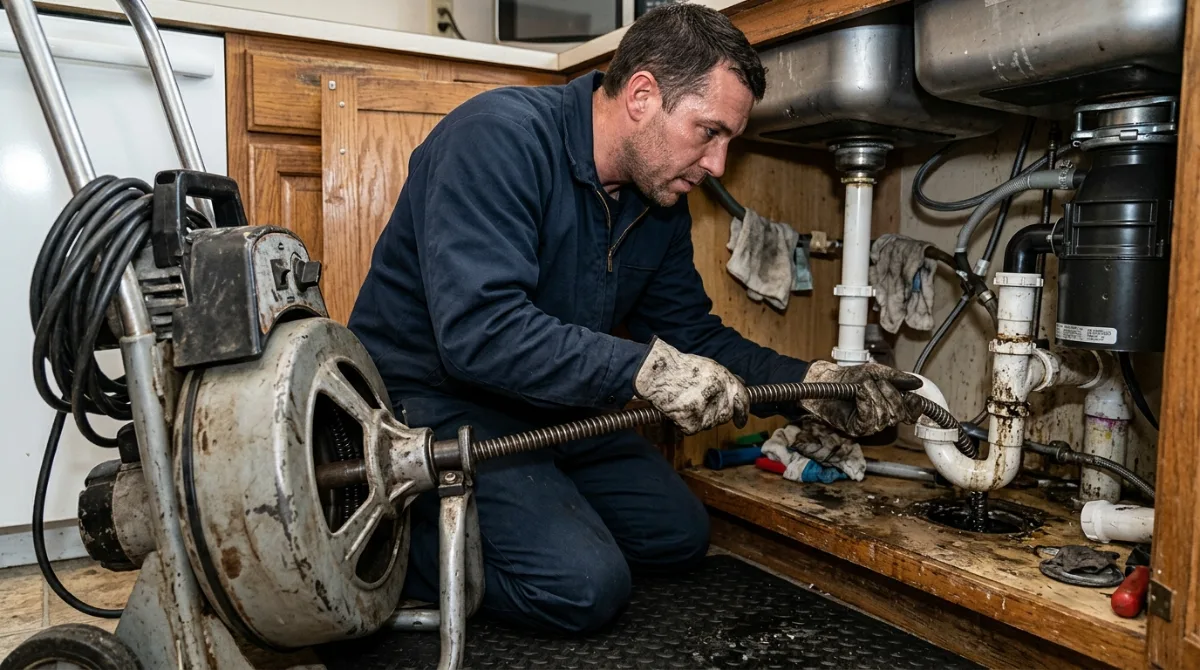
Technician running a drain machine cable to clear a blocked line

First response

The machine that gets the house working again

When a main line stops, the rooter is the tool that comes off the truck. A steel cable is fed in through the cleanout with a cutting head on the end, spun under power, and advanced until it reaches and breaks up whatever is stopping the line. Flow returns, the house is usable again, and the whole thing usually takes an hour or two. For a large share of stoppages that is the complete and correct answer.

What the cable brings back is also the diagnosis. Root hair on the head means roots. A greasy grey coating means the kitchen side has been building for years. Grit and sediment suggests a low spot holding water. Nothing at all, with the cable stopping dead at a fixed distance, usually means something structural, and that changes the conversation entirely.

The honest limitation is what a cable does to a pipe wall: nothing. It bores a channel through an obstruction. On a one-off blockage that is enough, because the pipe underneath is fine. On a line that has been coating for decades or admitting roots through an open joint, the hole closes again on its own schedule, and the interval between visits is the useful measurement.

So the standard here is to clear first, because you need a working toilet tonight, and then be plain about which of those two situations you are in. That distinction is worth a camera run, and it is what separates a repair that ends the problem from a service call that repeats forever.
Get a Line Cleared Today

If this is the second or third time on the same line, mention it. It changes what we bring.

Reading the recurrence

Once is an event. Three times is a defect.

How often a line blocks tells you more about it than what came out of it.

Once

Clear it and move on

A single stoppage with a clear cause, wipes, an object, a heavy paper plug, one season of root growth, on a line with no history. Cable it, flow-test it, done. Paying for further investigation here is usually money spent on reassurance rather than information.

Twice

Worth a camera

The same line failing again inside a year or two says something is holding material. Root regrowth at a joint, a grease coating, or a low spot are the usual three, and they lead to different fixes at very different prices. A camera run after clearing is the cheapest way to find out which.

Three times or more

Stop buying the same visit

A line on a recurring cable schedule is a line with an unaddressed defect, and the running cost of managing it eventually passes the cost of fixing it. Lining seals root entry permanently; a spot repair fixes a break; re-laying corrects a belly. All three end the cycle instead of resetting it.

Roots

Cut, then scour, then seal

Cutting removes the mass. Jetting takes the remaining hair and trapped sediment off the wall so there is less for regrowth to grip. Sealing the joint is what actually stops it, and until that happens the interval is the thing to manage honestly.

Grease

The wrong tool entirely

A cable through a greased line makes a channel in a coating and leaves the coating. If what comes back is grey and waxy rather than fibrous, jetting is the correct service and the recurring blockages have been telling you so for a while.

Nothing

A structural answer

A cable that stops at the same distance every time and brings back nothing is describing a collapse, a severe offset or a crushed section. The next step is a camera and a locate, not a heavier machine, and then a repair scoped to the actual defect.

How the visit runs

Clear, read, recommend

Flow back today, and an honest answer about tomorrow.

1

Access and clear

The cleanout is located and opened, the right cable and head are matched to the line size, and the blockage is cut through and cleared. A flow test with real volume confirms the line takes water properly rather than just trickling.

2

Read what came back

The debris on the head is evidence. Roots, grease, sediment or nothing at all each point somewhere different, and the distance at which the cable met resistance narrows the location down before any camera goes in.

3

Say what it means

A one-off gets called a one-off. A recurring line gets a camera recommendation and a plain comparison between managing it on an interval and fixing the defect, with the numbers for both, so the choice is yours to make.

Book a Rooter Visit

Same-day and after-hours calls. Active overflow is treated as an emergency.

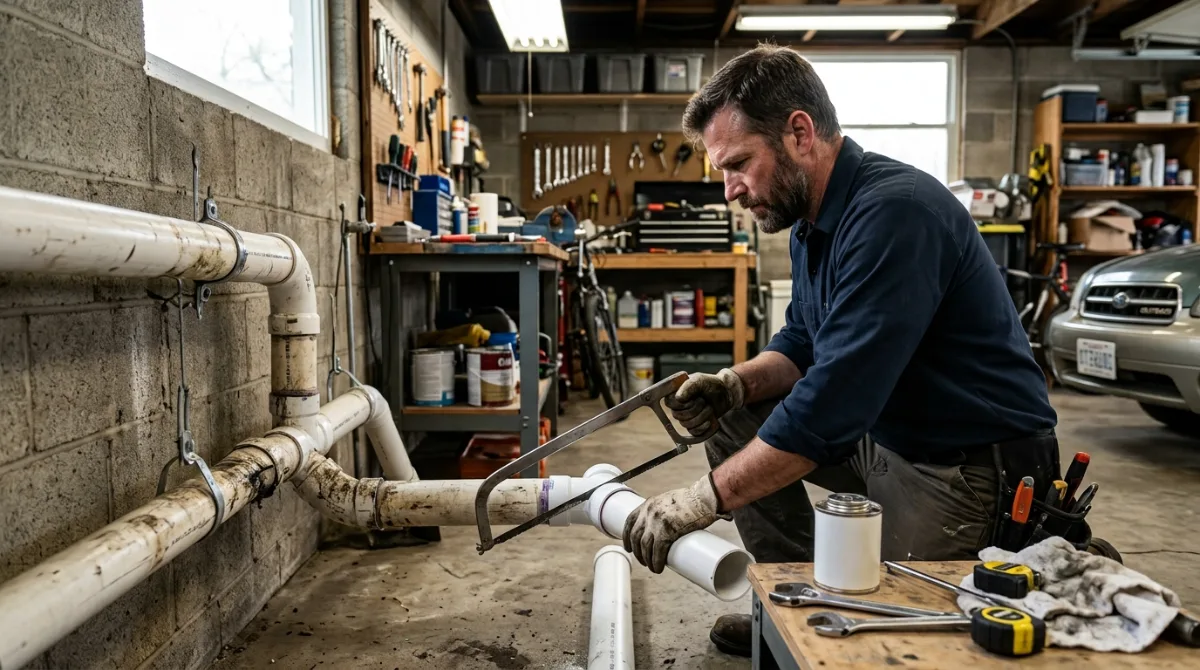
Plumber cutting out a section of PVC drain pipe

Local context

Sixty-year-old trees over sixty-year-old joints

Root intrusion is close to a structural condition of this city rather than bad luck. The tracts that fill most of Westminster were built from the late fifties into the early seventies with jointed clay and cast-iron laterals, and the street trees planted along the same parkways are now mature, with root systems that have had six decades to work out where the water is.

Sandy alluvial soil and a shallow water table add the second half of the problem. Ground that moves takes joints slightly out of alignment, and a joint slightly out of alignment is an invitation. That is why offsets, root entry and the recurring blockages that follow show up here at rates that surprise people who have owned newer property.

The practical consequence is that cabling alone often becomes a subscription in this area, and the interval is worth measuring rather than accepting. It also means the fix, when it is time, is frequently a lining job, because sealing every joint at once addresses the actual mechanism, and because doing it trenchlessly leaves the driveway and the tree in place.

Straight answers

Rooter and root intrusion questions

What is a rooter service?

A rooter is a drain machine: a rotating steel cable fed into a line with a cutting or boring head on the end, driven by a motor that spins it as it advances. The name comes from the original job, which was cutting tree roots out of sewer laterals. It is the tool that gets a blocked line moving again quickly, and on most single-event stoppages it is all that is required.

Why do roots get into a sewer line in the first place?

Because a sewer line is the most reliable source of water and nutrients in a dry front yard, and roots are very good at finding it. They do not drill through sound pipe. They enter through openings that already exist: the joints between clay sections, a cracked hub on cast iron, a failed connection. Once a hair-thin root is through, it thickens inside the pipe and catches everything that passes.

Will cabling fix the problem permanently?

It fixes the blockage, not the cause. Cutting the root mass out restores flow, sometimes for a couple of years. But the opening the roots came through is still open, and roots grow back toward the same water. If a line needs rootering on a recurring schedule, that is not a maintenance plan so much as a symptom: the joint needs sealing, which means lining or a repair.

How do I know it is roots and not something else?

Behaviour gives a hint: roots typically cause a gradual decline over months with multiple fixtures slowing together, rather than one fixture blocking suddenly. But hints are not diagnosis. What the cable hits, and what a camera shows afterwards, is the actual answer. Root mass, a grease coating, a bellied section holding water and a foreign object can all present the same way from inside the house.

Should I be using root-killing chemicals?

Copper sulphate and foaming root treatments can slow regrowth in a line that has already been cut, and they are a reasonable adjunct on a pipe that is being managed rather than repaired. What they do not do is close the opening, restore diameter or remove an established mass, and the aggressive drain chemicals sold for clogs do none of the above while being hard on old cast iron and on whoever opens the line next.

Is cabling or jetting better for roots?

They are sequential rather than competing. A cable with a cutter head removes the mass, which jetting cannot do efficiently. Jetting then scours the remaining root hair and trapped sediment off the pipe wall, so there is less structure for the next growth to grab. On a heavily infested older lateral, cut first and scour second is the sequence that buys the most time.

Can rootering damage my pipe?

On sound pipe, no. It is routine work. On pipe that is already compromised, a cable can find the weakness: an advanced crack, a badly offset joint, or cast iron with the wall gone thin. The damage was there first, but nobody wants to discover it that way. This is why an unknown line, especially an old one that has blocked repeatedly, is better filmed before aggressive cutting rather than after.

How long does a rooter visit take?

A typical residential main-line stoppage is usually cleared inside an hour to two, including setup, cabling, a flow test and cleanup. A long run, poor access, or a mass that has to be cut back in stages takes longer. If a cleanout has to be located under landscaping or opened up first, add time to that, which is the practical argument for knowing where yours is before you need it.

What if you cannot get through the blockage?

That is diagnostic information, not a failure. A cable that will not pass usually means something structural: a collapse, a severe offset, or a section crushed by settlement or a vehicle. At that point the right move is a camera to see and locate it, not a bigger machine. Forcing a cable through a failed pipe risks turning a located repair into a bigger one.

How do I keep it from happening again?

Three things, in order of effect. Get the line filmed so you know whether you are managing an ageing pipe or living with a specific defect. Where the defect is a specific joint, seal it, lining removes root entry permanently. And where you are managing rather than repairing, set a realistic interval from evidence: cable, jet, film, then film again at the next visit and see how much came back.

Ask About a Blocked Line

Which fixtures are affected, whether it has happened before, and whether you know where the cleanout is.

Flow back today, answers with it

Cut the roots out. Then stop paying for it annually.

Same-day cabling, an honest read on recurrence, and a fix scoped to the actual defect.

Call for Same-Day Rooter

Residential and commercial lines across Westminster and west Orange County.