Small parts, real consequences
The cheap repairs and the one that is not
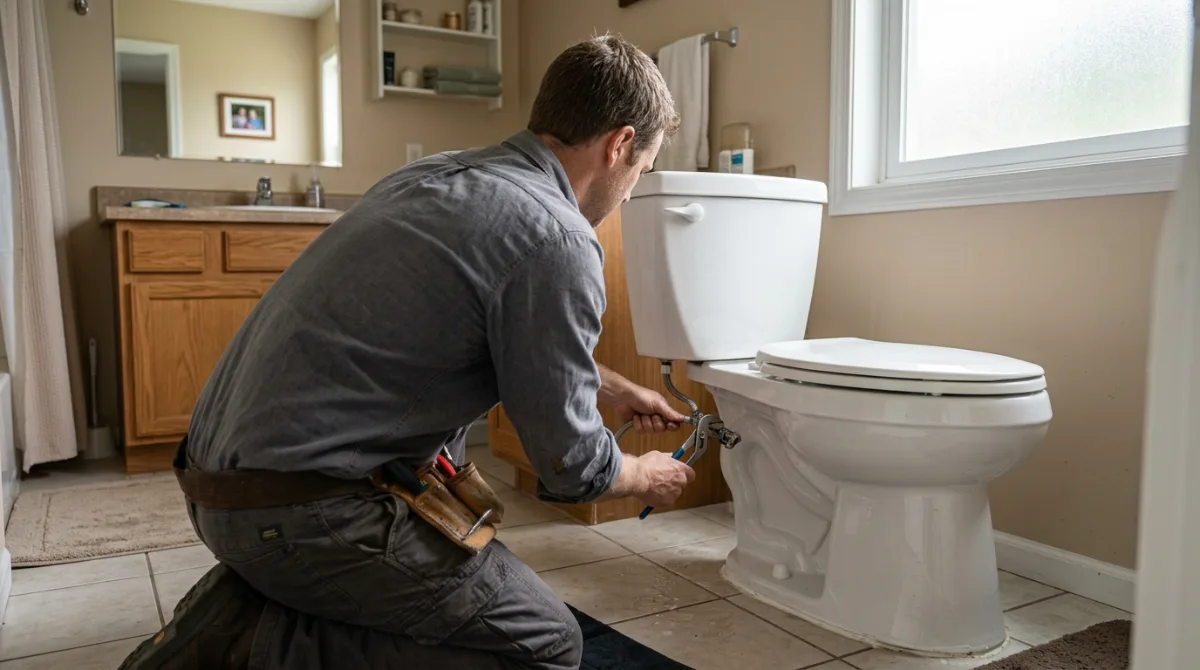
Almost everything that goes wrong with a toilet is a low-cost part with a same-visit fix. Flappers perish and leak past. Fill valves stick, drift out of adjustment or fail. Supply stops seize so nobody can isolate the fixture. Tank bolts and gaskets weep. Every one of those is inexpensive, and the reason to deal with them promptly is not the repair cost but what they waste while being ignored: a silent runner can push hundreds of gallons a day through the overflow without making enough noise to notice.
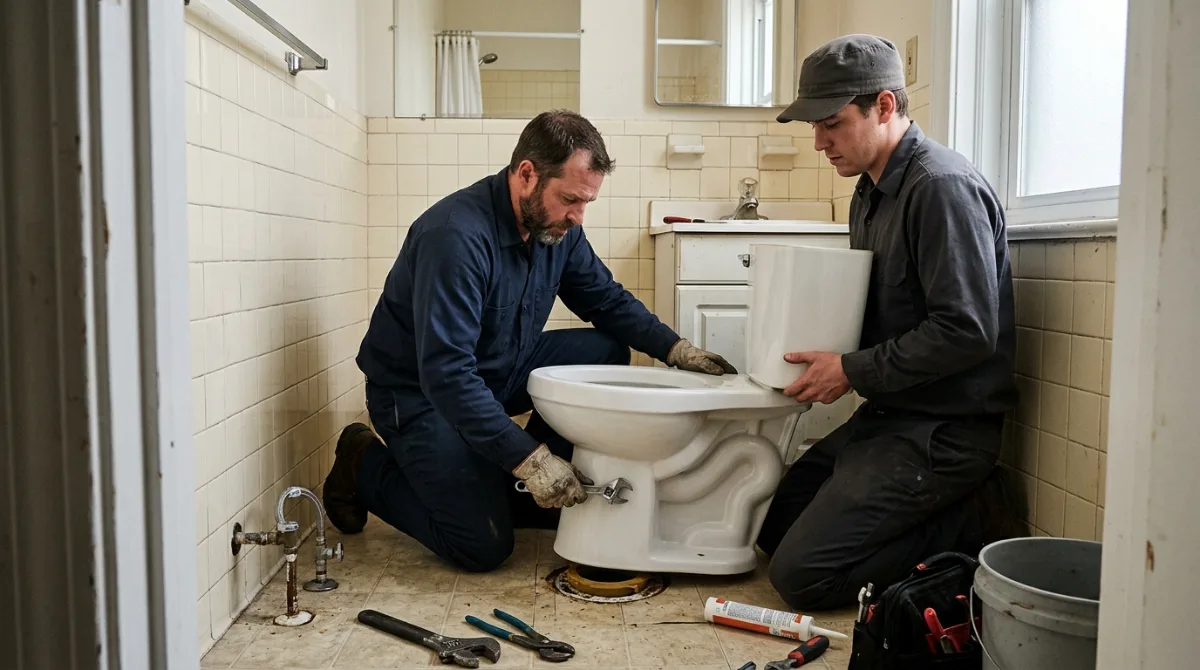
The exception, and the one worth taking seriously, is anything happening at the base. A toilet that rocks even slightly is working the wax seal underneath it, and once that seal is broken every flush pushes water and waste under the flange rather than into the drain. On a slab that means damp subfloor and eventually damaged finishes; on an upper floor it means a ceiling below. Both start as a fixture that moves a few millimetres when you sit down.
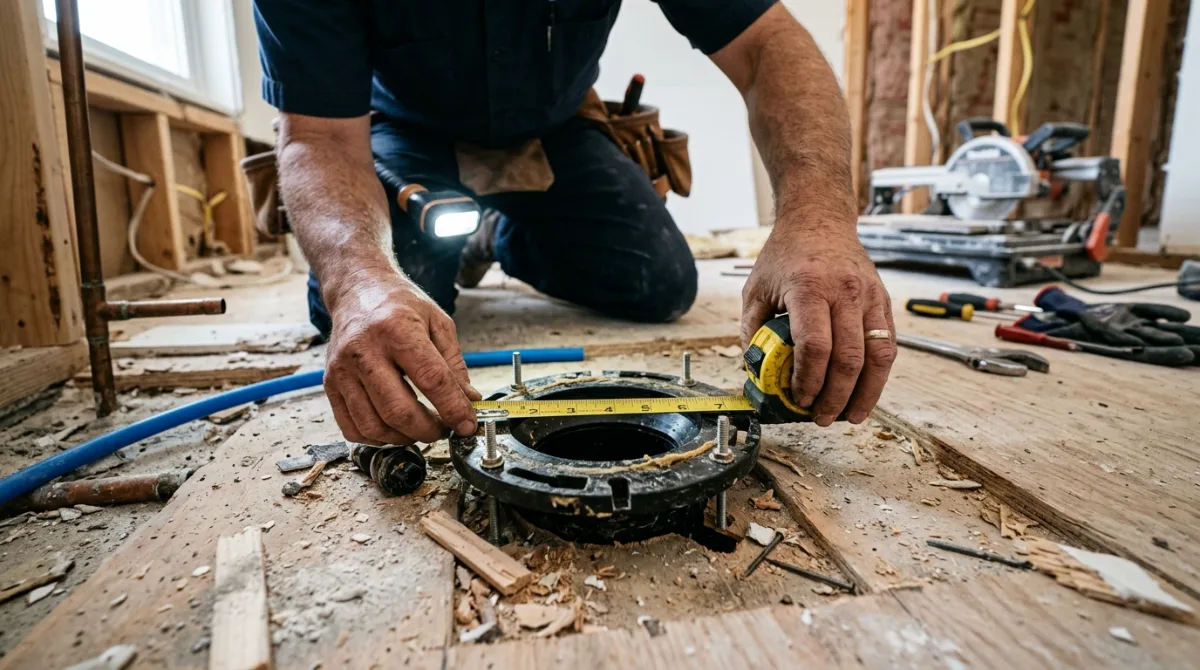
That is why a rocking toilet gets pulled, inspected and reset properly rather than shimmed and forgotten. It is also when flange condition and height get checked: a cracked flange, or one sitting too low after flooring was added over the years, is the reason a great many resets fail within a year of being done by someone in a hurry.
The last category is a fixture that was never good. First-generation low-flow toilets from the early nineties cut volume without redesigning the bowl and trapway, so they clear poorly and get flushed twice. If that is what a bathroom has, replacement with a modern high-efficiency unit is a genuine improvement rather than a like-for-like swap.
Describe the Problem
Running, rocking, weeping at the base, or clogging, each points somewhere different.