Serving Westminster, CA & west Orange County Open 24 hours · same-day and after-hours calls 24/7 dispatch · (657) 337-7905
Westminster CA Plumbing (657) 337-7905

Westminster, CA · meter to house, under parkways and driveways

Water line repair and replacement between the meter and the house

Leaks, pressure loss and end-of-life service lines. Located with a meter test and tracing equipment, then repaired or replaced, often bored rather than trenched.

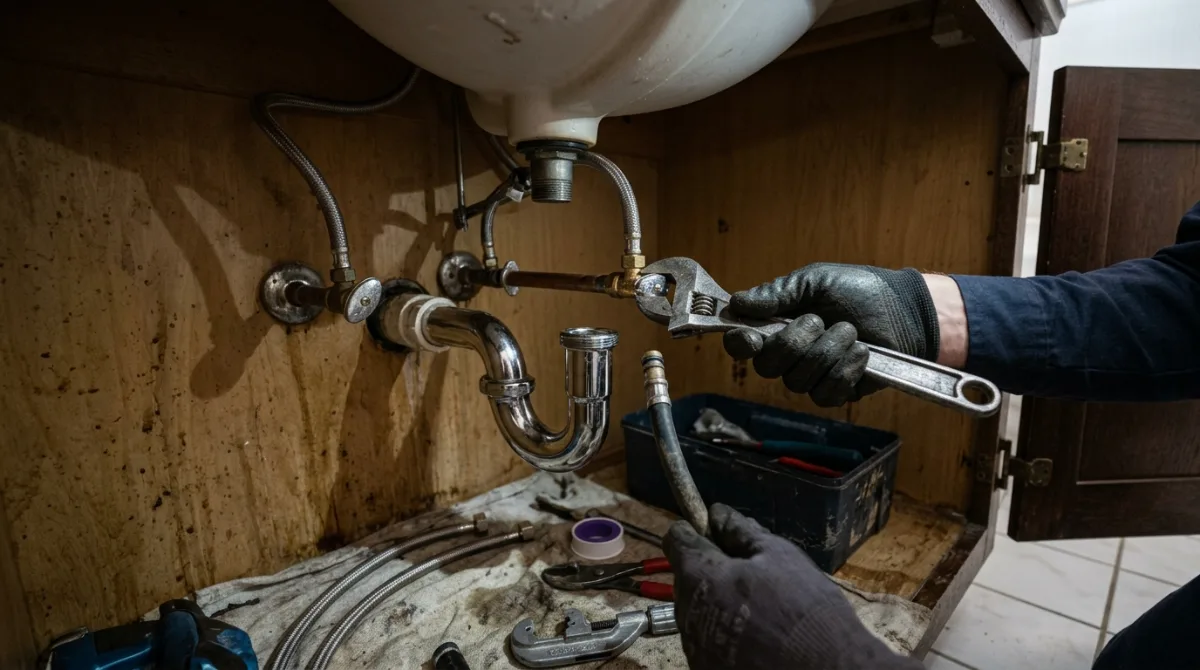
Plumber replacing a corroded shutoff valve on a supply line under a vanity

Find the boundary first

One test separates two completely different jobs

A rising water bill with no change in habits has exactly two categories of cause: something leaking inside the house, or the service line between the meter and the building. Those are different trades of work at different prices, and there is a simple test that tells them apart before anyone starts opening anything.

Close the main shutoff at the house so nothing downstream can draw water, then watch the meter. If the dial still creeps, water is escaping between the meter and that valve, which is the service line. If it stops dead, the leak is inside: a fixture, a supply run, or a slab leak. Five minutes, no equipment, and it decides which specialty the job belongs to.

Service line work also comes with an ownership surprise worth knowing early. The utility owns the main and the meter; the property owner owns the line from the meter to the building, including the part crossing the parkway and running under the driveway. So a failure on public frontage is generally still your bill, and the boundary for your specific address is worth confirming before work is scoped.

From there the decision is repair versus replacement, and it turns on material and history. A single mechanical injury in a sound line is a located spot repair. A sixty-year-old galvanized service line leaking from general corrosion is a replacement, because repairing one section of it just moves the next failure a few feet along.

Talk Through the Meter Test

Do the test before you call if you can. Knowing which side of the meter it is on saves a whole appointment.
What the symptoms mean

Reading a service line problem

Six patterns, and what each one usually turns out to be.

Bill jumped

Start at the meter

A sharp increase with unchanged habits is the classic service line signal, because a buried leak runs continuously and never announces itself. The shutoff-and-watch test at the meter is the first move, and it costs nothing.

Green stripe

A leak with a location

A line of grass greener than the rest, damp ground or a soft spot between meter and house is buried water finding the surface. It is also useful information. It narrows the search area considerably before tracing equipment comes out.

Pressure fell

Diameter or regulator

Corroded galvanized service line narrowing internally will do this, and so will a failing pressure regulator. They cost very different amounts to fix, so a pressure test at the hose bib comes before any excavation is discussed. See regulator service.

Water at the kerb

Locate before digging

Surfacing water rarely appears directly above the leak. It travels along the pipe bed or the path of least resistance. Tracing and correlation equipment finds the actual point, which is what keeps the excavation to a pit instead of a search.

Repeat leaks

A line at end of life

Two or more failures on the same service line means general deterioration rather than a specific injury. At that point continued repairs are the expensive option, and replacement is the one that ends the sequence.

Under hardscape

Bore rather than trench

Where the run passes under a full-width driveway, decorative concrete or a mature parkway tree, directional boring or pulling new pipe along the existing path avoids opening the surface at all, usually the cheaper job once restoration is counted.

How the job runs

Isolate, locate, replace, sign off

One to two days for a typical residential replacement, water back overnight.

1

Confirm which side of the meter

Meter test, pressure readings at the hose bib, and an inspection of the visible line and connections. This is the step that prevents a service line replacement being sold to fix a regulator, or vice versa.

2

Locate the failure precisely

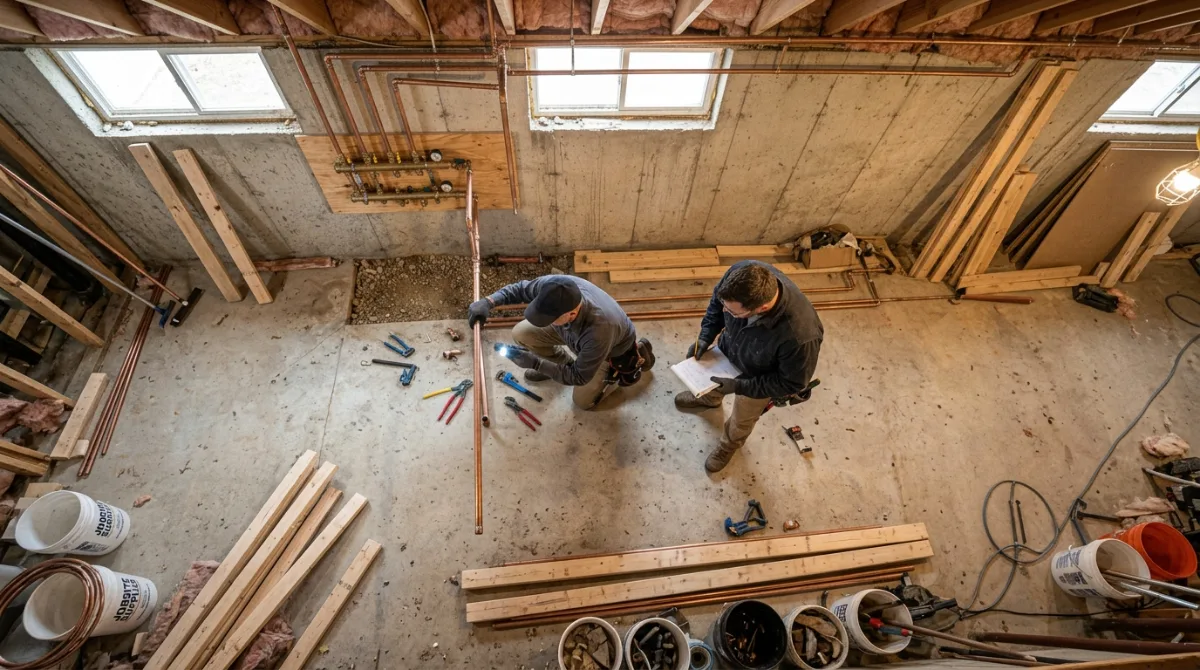
Acoustic tracing and correlation narrow a buried leak to a workable point rather than a stretch of yard. Where replacement is the answer, the existing path and depth are traced so the new line can follow it with pits at each end.

3

Install, test, inspect, restore

New copper or potable-rated polyethylene sized to the house, at correct depth with sleeving under hardscape. Pressure-tested, changed over at the meter and the house, inspected under permit, and the surface made good as agreed in writing.

Book a Service Line Check

A surfacing leak or a line washing out under a driveway is treated as an emergency.

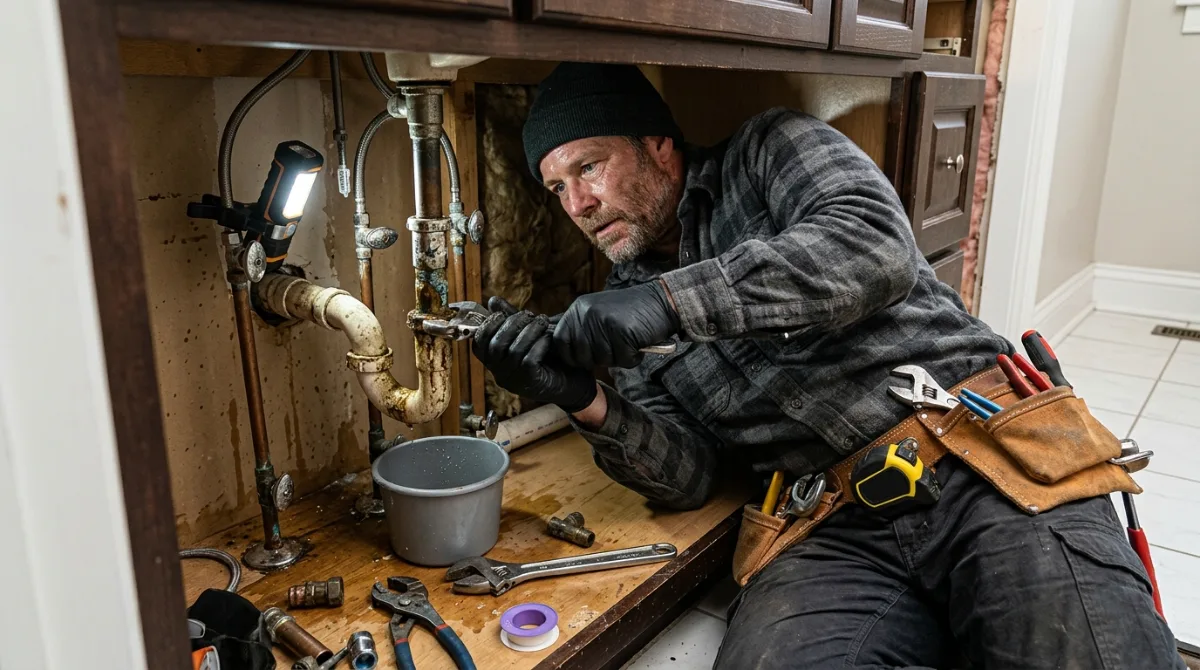
Plumber wrenching a supply line and trap under a water-stained bathroom vanity

Local context

Sixty-year-old service lines under widened driveways

Service lines here are the same age as the tracts they serve, which puts many of them at sixty years and beyond. Galvanized runs from that era corrode internally until pressure drops and then begin to leak, and where original polybutylene or early poly was used the failures tend to appear at the fittings. Either way the pattern is a line reaching the end of its life rather than an unlucky incident.

What complicates the work is everything built on top since. Six decades of driveway widening, paver walkways, decorative concrete and converted front lawns means the run from the meter to the house very often passes under something expensive, and the mature parkway trees planted with the original tracts have root plates in the same corridor. That is exactly the situation where boring a new line along the existing path beats trenching and rebuilding the surface.

The soil helps. Sandy alluvial ground at service line depth bores well, and the runs from kerb to house in this housing stock are short and shallow enough that a single pull usually covers them. The upshot is that a full service line replacement here is frequently a one-day job with two small pits, rather than the driveway demolition people brace themselves for when they hear the words.

Straight answers

Service line questions

How do I know the leak is in the service line and not inside the house?

The meter tells you. Shut off the main valve at the house, then watch the meter: if it still creeps, the leak is between the meter and that valve: the service line. If it stops, the leak is inside. That five-minute test separates two very different jobs, and it is worth doing before anyone starts looking anywhere.

Who owns the pipe from the meter to my house?

You do, in almost all cases. The utility owns the main and the meter; the property owner owns the service line from the meter to the building, including the portion crossing the parkway and under a driveway. That is why a leak on that run is your bill even though part of it may sit under public frontage, and why it is worth confirming the exact boundary for your address before work begins.

What are the signs of a service line leak?

A water bill that jumped without a change in habits. A meter that turns with everything off. Pressure that fell noticeably. Damp ground, a green stripe of grass or a soft spot between the meter and the house. Occasionally water surfacing at the kerb or through a driveway joint. Any one of those justifies the meter test; two or three together makes it fairly clear.

Can the line be repaired, or does the whole thing need replacing?

Both happen. A single located failure in an otherwise sound line, often a mechanical injury from digging or root pressure, is a spot repair. A galvanized or old poly service line leaking from general deterioration is a replacement, because fixing one section of a sixty-year-old line simply relocates the next failure. Age, material and how many times it has leaked decide which conversation you are in.

Does replacing it mean digging up my driveway?

Not necessarily. A service line can often be replaced by directional boring or pulling new pipe along the existing path, needing pits at the meter and at the house rather than an open trench between them. Where a driveway, decorative hardscape or a mature parkway tree sits over the run, that method is usually both cheaper overall and far less disruptive than trenching and rebuilding the surface.

What pipe replaces an old galvanized service line?

Typically copper or a modern polyethylene rated for potable water service, sized to the demand of the house and bedded properly with correct depth and sleeving where it passes under hardscape. Both are dramatically better than galvanized, which corrodes inward until pressure suffers and then leaks. The sizing part is worth attention: some original lines were undersized for how the house is used today.

Will replacing it fix my low pressure?

If the old line is corroded galvanized, very often yes and noticeably. Internal corrosion narrows the bore, and every fixture in the house is downstream of that restriction. If the line is sound and pressure is still low, the cause is usually the pressure regulator or restricted pipe inside the house, and replacing the service line would be an expensive way to learn that. Test first.

How long does a replacement take?

A straightforward residential service line replacement is commonly one to two days including excavation of the pits, installing and pressure-testing the new line, connecting at both ends, inspection and backfill. Bored installations are often quicker than trenched ones. Surface restoration, where any is needed, may follow separately.

Do I need a permit?

Yes. Water service replacement is permitted and inspected work, and where the line crosses the public right-of-way an encroachment permit may be needed as well. Both are handled as part of the job. As with sewer work, the inspection record is worth having when you eventually sell the property.

Will my water be off the whole time?

No. The supply stays live while the new line is installed alongside the old one; the interruption comes when the changeover is made at the meter and at the house, which is typically a matter of hours rather than days. On a job spanning two days the house is normally back in service overnight.

Ask About a Water Line

Whether the meter turns with the house shut off, and what is on the surface between meter and house.

Meter test first, excavation last

Find out which side of the meter it is on. Then spend money.

Located leaks, bored replacements where the surface matters, permits and inspection handled.

Call to Trace a Service Line

Repair and replacement from meter to house across west Orange County.